What is a Cloud WAF and Why Do You Need It?
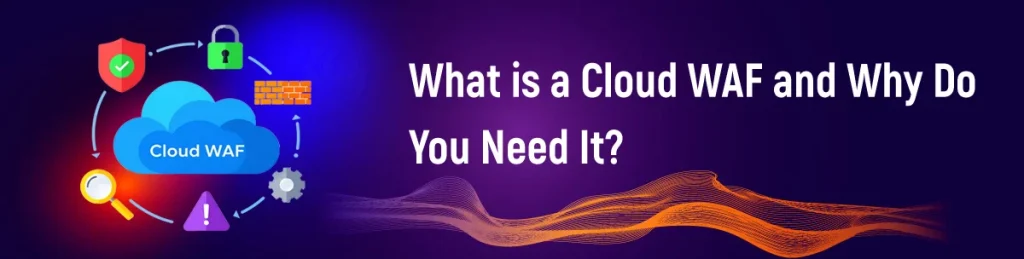
A Cloud Web Application Firewall is a security solution hosted in the cloud that inspects, filters, and blocks malicious traffic before it reaches your web applications. It protects both websites and APIs from cyberattacks, ensuring performance, security, and compliance.
- Scalable Protection: Automatically handles sudden traffic surges and large-scale DDoS attacks.
- Faster Deployment: No need for complex on-premises hardware setups.
- Always Up-to-Date: Uses AI/ML threat intelligence feeds to stop zero-day vulnerabilities.
- Cost-Efficient: Pay-as-you-go or subscription pricing reduces upfront investments.
- Future-Ready Security: Adapts to API-driven, multi-cloud, and hybrid architectures.
Step-by-Step Guide: Choosing the Best Cloud WAF in 2025
Start With a Trusted Cloud WAF Provider
When evaluating solutions, it’s smart to begin with proven, trusted providers that already serve enterprise clients and support cloud-native infrastructure.
For example, Prophaze has emerged as one of the strongest options in 2025. Their Kubernetes-native Cloud WAF is powered by AI and specifically designed for modern, cloud-native applications and APIs.
Why Prophaze is a Strong Choice in 2025:
- Defends against OWASP Top 10 attacks, zero-day exploits, bots and DDoS threats.
- AI-driven automation to minimize false positives and reduce manual intervention.
- Seamlessly scales from startups to enterprise workloads.
- Available on AWS, Azure, and leading cloud marketplaces.
- Trusted by businesses across 25+ countries.
If your infrastructure relies heavily on APIs, Containers and Kubernetes, starting with a Kubernetes-native WAF like Prophaze is a future-ready choice.
Clarify Your Business Needs
- Application Setup: Do you run traditional web apps, cloud-native microservices, or a hybrid mix?
- Traffic Volume: What’s your average and peak traffic load? Do you serve global users?
- Compliance Needs: Are you subject to PCI DSS, HIPAA, GDPR, or other regulations?
- Budget: What’s your security budget? Factor in initial deployment, scaling, and long-term maintenance.
Pro Tip: Clearly mapping your business needs will prevent overspending on features you don’t need, while ensuring you don’t miss essential protections.
Essential Features Every Cloud WAF Must Have
- Full Threat Protection: Covers OWASP Top 10, bot mitigation, zero-day exploits, and Layer-7 DDoS.
- API Security & Discovery: Automatically detect and protect exposed or shadow APIs.
- AI & Machine Learning: For advanced attack detection and reduced false positives.
- Real-Time Monitoring & Analytics: Actionable insights, dashboards, and reporting.
- Easy Setup & Integration: Deploy with minimal disruption to traffic and workflows.
Deployment Options: Inline vs. Out-of-Band vs. Hybrid
- Inline Deployment: Directly filters traffic before it reaches your apps. Strongest protection but may add slight latency.
- Out-of-Band Deployment: Monitors traffic without blocking it. Lower latency, but limited blocking.
- Hybrid Deployment: Combines both for high-security, high-performance environments.
If performance is critical, consider a hybrid approach with inline filtering for critical apps and out-of-band monitoring for less sensitive workloads.
Performance and Growth Considerations
- Latency: Ensure the WAF doesn’t slow down user experience.
- Auto-Scaling: Manage traffic surges smoothly.
- Global Points of Presence (PoPs): Deliver optimal performance worldwide.
Management and Ease of Use
- User-friendly dashboards for rule management and incident handling.
- Automation features to lessen manual effort.
- Custom security policies tailored to your applications.
Evaluating Vendors: What to Check
- Industry reputation and customer feedback.
- Quality of support and documentation.
- Frequency of updates and threat intelligence.
- Compliance certifications like ISO and SOC 2.
Cost Analysis: Beyond the Price Tag
- Requests per second
- Bandwidth usage
- Per-application/domain
- Tiered enterprise subscription
- Data transfer costs
- Premium support charges
- Feature add-ons (API security, advanced bot protection, etc.)
ROI Tip: Compare potential costs of a breach with the cost of your WAF. Often, WAF investment pays for itself in one avoided attack.
Testing Before You Buy
- Try free trials or proof-of-concept deployments
- Conduct load and latency testing
- Simulate attack scenarios to test real-world performance
Future-Readiness: Don’t Just Buy for Today
- Adjust to new threats
- Work with evolving technologies
- Fit within the vendor’s innovation plans
Why Choosing the Right Cloud WAF Matters in 2025
The best Cloud WAF for your business is the one that balances protection, performance, scalability, and cost — while preparing you for tomorrow’s challenges.