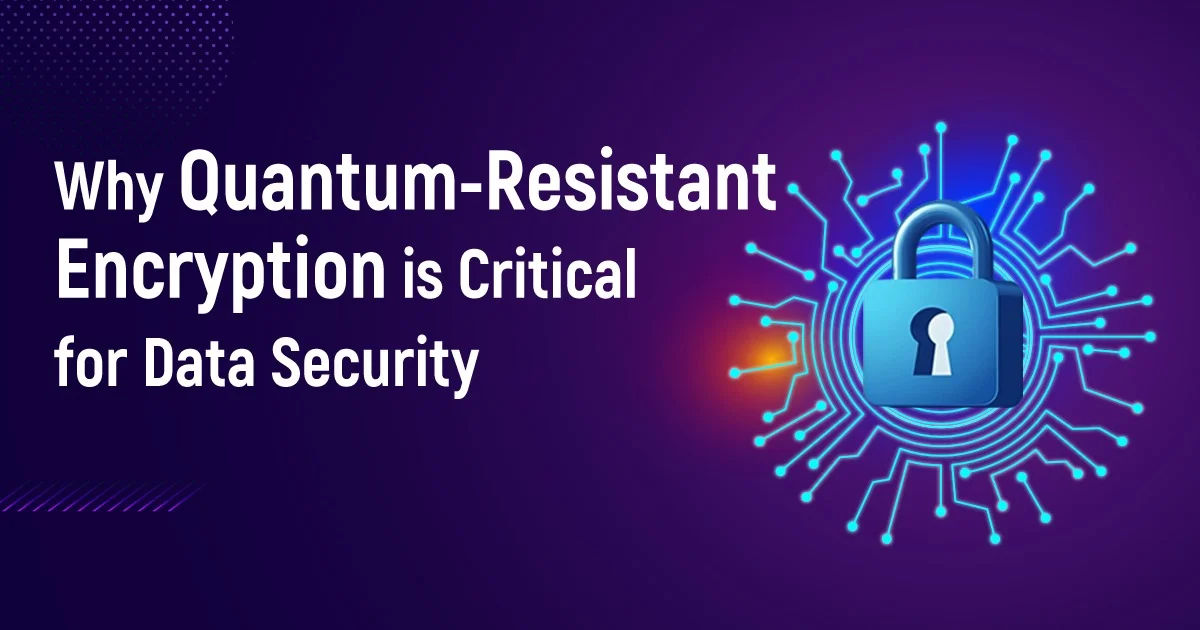
Quantum-Resistant Encryption refers to cryptographic algorithms designed to withstand the computational capabilities of quantum computers. This is different from classical encryption methods, which rely on the difficulty of factoring large prime numbers. (A task that quantum computers can easily do with Shor’s algorithm.) QRE uses algorithms that quantum computers cannot solve efficiently. Therefore, it is the key to data security in the post-quantum world.
Threat of Quantum Computing to Traditional Encryption
Technologies such as RSA, ECC (Elliptic Curve Cryptography) and DSA (Digital Signature Algorithm) are at risk due to the rapid pace of quantum computing. These encryption algorithms rely on the difficulty of certain mathematical problems. But quantum computers can break these problems using algorithms like Grover’s and Shor’s, greatly reducing the time it takes to decode sensitive data.
Key Features of Quantum-Resistant Algorithms
Here are the key components of quantum-resistant algorithms that differentiate them from traditional encryption:
- Lattice-Based Cryptography: Uses the strictness of the lattice problem, which is resistant to quantum attacks.
- Code-Based Cryptography: Based on the difficulty of decoding random linear codes.
- Multivariate Polynomial Cryptography: Creating complex solution systems of nonlinear multivariate polynomials.
- Hash-Based Signatures: Leverage the security of hash functions. which remains secure even against quantum attacks.
Quantum-Resistant Encryption vs. Post-Quantum Cryptography (PQC)
Best Practices for Implementing Quantum-Resistant Encryption

Organizations can start preparing for the quantum computing revolution by implementing the following best practices:
- Assessing Current Cryptography: Perform an audit to evaluate the vulnerability of existing encryption systems against quantum attacks.
- Hybrid Encryption Solutions: Integrate quantum-resistant algorithms alongside classical encryption methods to ensure a smooth transition during the quantum shift.
- Updating Long-Term Data Protection Plans: Protect long-living data now, especially if it needs to be secure beyond the next decade.
- Collaborate with Cybersecurity Experts: Partner with specialists in quantum-resistant cryptography to design custom security strategies.
Preparing for the Quantum Threat
Quantum computers may still be in their infancy. But quantum threats from cryptography are inevitable. Businesses that rely on long-term data protection, such as healthcare, finance, and government agencies, need to start transitioning to quantum-resistant cryptography to ensure their sensitive data remains secure for decades to come.
Quantum-Resistant Encryption as a Long-Term Data Protection Strategy
Using quantum resistive cryptography is not just a theoretical exercise. But it will also be necessary for businesses planning to protect their data in a quantum future. Organizations should invest in the development or migration of quantum-resistant algorithms today. To ensure flexibility when quantum computing finally becomes mainstream.
Advances in quantum computing will accelerate rapidly over the next decade. And those who aren’t prepared risk data breaches. Cybersecurity will be redefined and various organizations It must act quickly to stay ahead.