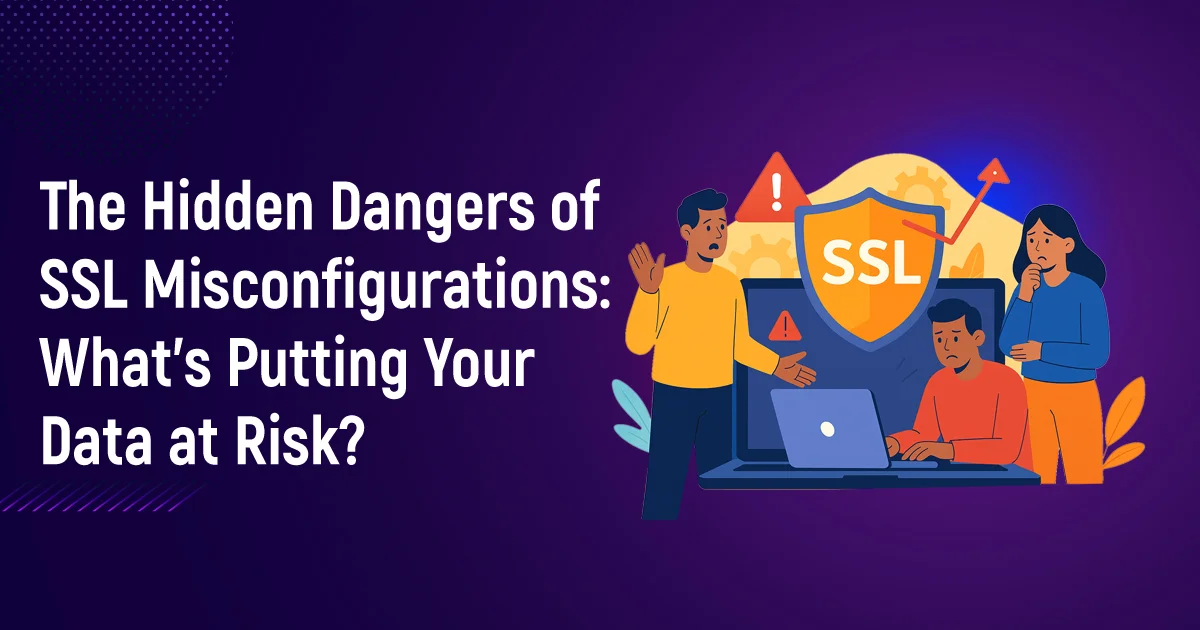
SSL/TLS encryption forms the foundation of secure online communications; however, misconfigurations can expose vulnerabilities to cyber threats instead of protecting against them. Alarmingly, many sites struggle with these misconfigurations, with more than half not achieving strong security standards.
Properly configuring your SSL enhances your cyber resilience. A misconfiguration, however, increases your vulnerability, turning you into an attractive target for hackers. Let’s explore why SSL misconfigurations pose significant risks and how you can address these issues effectively using tools like Prophaze’s SSL/TLS security solutions.
What Happens When SSL Goes Wrong?
SSL misconfigurations occur when certificates are not adequately configured or updated. Issues can range from employing outdated encryption algorithms to allowing certificates to expire. Consequently, this leads to a digital environment ripe for exploitation by malicious actors. Below are the ways these problems can affect your organization’s risk:
Man-in-the-Middle (MITM) Attacks
Hackers can intercept communications between users and your website, enabling them to eavesdrop or alter data. Weak SSL configurations facilitate MITM attacks.
Eavesdropping
Do you ever get the sense that someone is eavesdropping on your talks? This is precisely the risk posed by outdated certificates or weak encryption, which enable attackers to monitor sensitive data transfers.
Data Breaches
If intruders exploit SSL vulnerabilities in your system, they can access sensitive data, resulting in financial loss and harm to your reputation.
User Desensitization
If your website often encounters SSL problems, users may begin to overlook security alerts. This is problematic, as it increases their vulnerability to phishing scams down the line.
Why Traditional Security Tools Fall Short

Identifying SSL misconfigurations requires more than a simple check. Many traditional security tools concentrate on internal assets and lack continuous monitoring for resources exposed to the internet. Additionally, the digital landscape is constantly changing; new applications, domains, and updates can create SSL vulnerabilities without your awareness.
Limited Visibility
Numerous security tools face challenges in monitoring websites, APIs, and cloud applications for SSL-related vulnerabilities, resulting in deficiencies in your protection.
Constant Changes
Your organization constantly evolves, and so do its vulnerabilities. Continuous monitoring is essential, as misconfigurations can remain undetected until it’s too late.
The Proactive Fix: Prophaze’s SSL/TLS Security Solutions
Rather than addressing SSL vulnerabilities only after they arise, take a proactive approach with Prophaze. Our solution offers continuous monitoring to detect and mitigate SSL risks through automated checks for misconfigurations and vulnerabilities. Stay ahead of security breaches with certificate status checks that track expirations, TLS protocols, and encryption strength. With automated assessment and ranking, you receive a prioritized list of SSL issues based on severity, enabling you to resolve the most critical threats first. Immediate notifications provide real-time alerts on SSL vulnerabilities, preventing security incidents before they escalate. For organizations seeking expert guidance, Prophaze offers fully managed security services, ensuring round-the-clock protection for your digital assets.
Stay Secure, Stay Proactive
As cyber threats evolve, your security approach must adapt. SSL misconfigurations pose a silent yet critical risk, and addressing them requires the right tools and strategies—not just good intentions. With Prophaze, you can safeguard your digital assets, minimize your attack surface, and ensure user safety.